Functional medicine takes a broad view of human health. Traditionally, physicians consider symptoms, medical history, nutrition, bloodwork, and other clinical data to understand a patient’s health. But the physical you passed doesn’t tell the whole story, even if it included quality lab work. Performance testing adds another layer to the picture.
Functional medicine diagnostics lean on VO2 Max, DXA scans, and functional movement screening to provide measurable information about how the body performs. These assessments are not a substitute for bloodwork or other medical testing. Instead, they complement those tools and give physicians additional information to incorporate into care plans.
Functional medicine asks questions that standard health screenings can’t answer on their own. What factors are contributing to a patient’s symptoms? How does nutrition affect energy and performance? How do exercise, recovery, and lifestyle influence long-term health?
Root cause care means looking at a person’s health and wellness concerns from additional angles. Bloodwork provides vital information for answering these questions.
Functional lab testing and complementary diagnostics can help clinicians evaluate biomarkers and identify patterns that deserve further attention. Providers can combine those results with a patient’s medical history, symptoms, and lifestyle to develop a more complete picture.
Performance testing for physicians offers a different perspective. These assessments show how the body functions in real-world settings.
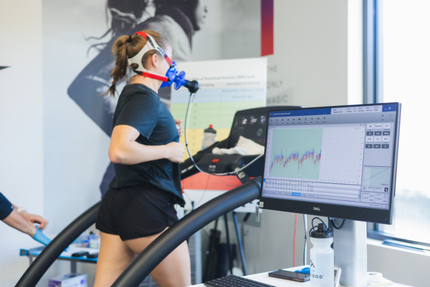
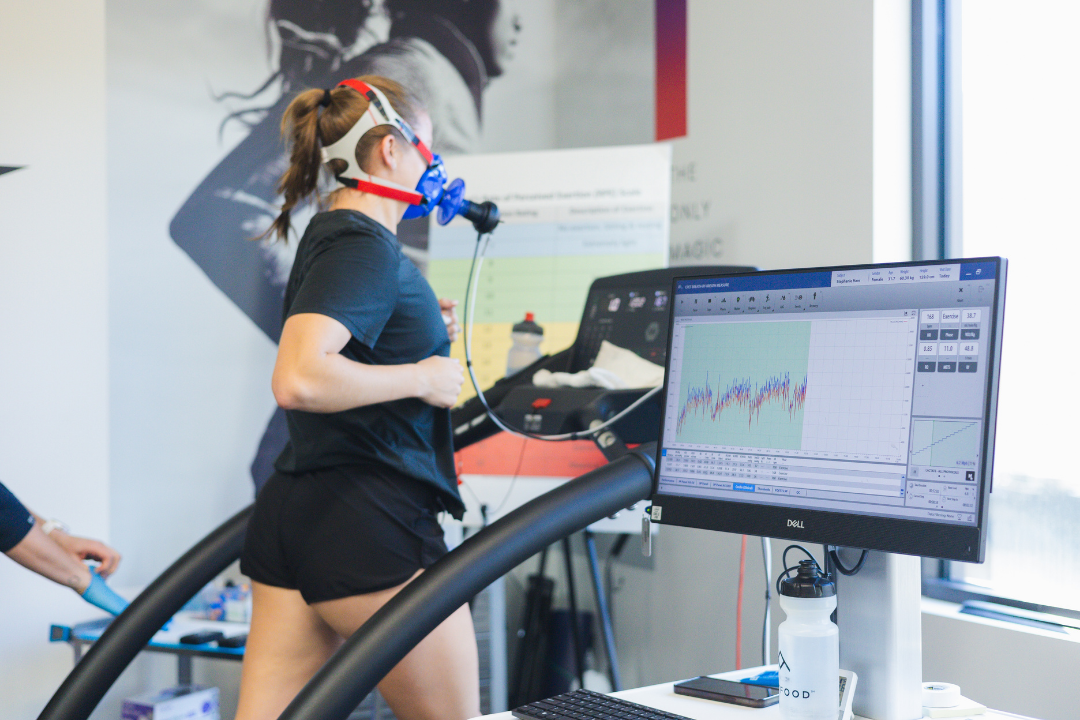
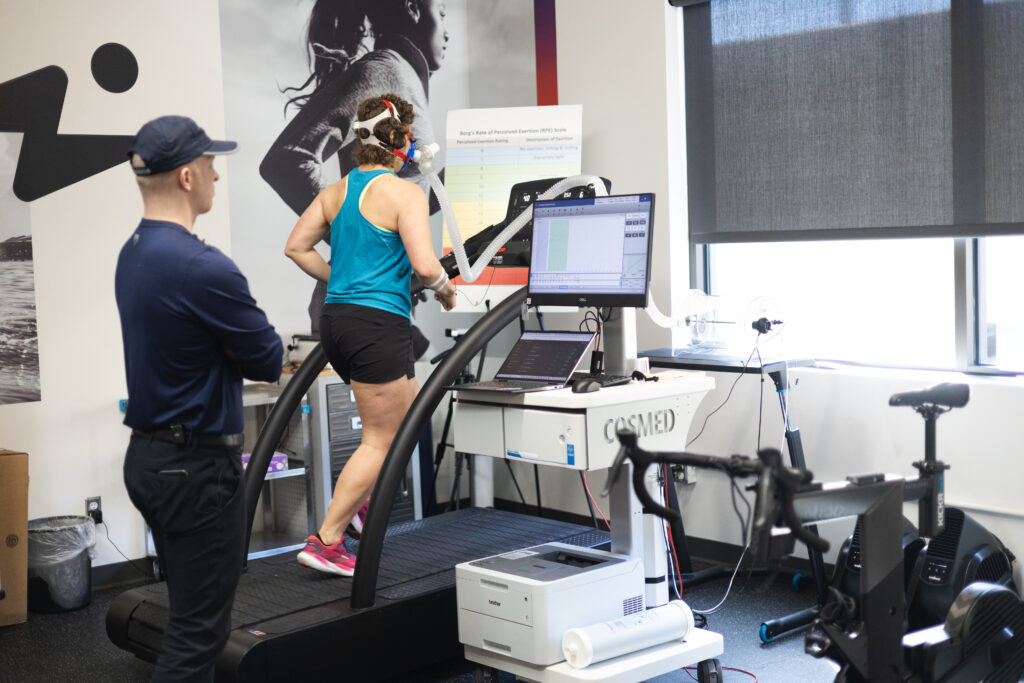
VO2 Max measures how efficiently the body uses oxygen during exercise. It represents one of the best ways to gauge the cardiorespiratory fitness of your patients and can also be indicative of long-term health trajectory.
Providers who incorporate exercise and longevity into their care models should be using VO2 Max as part of that equation. Physicians can use these results to discuss aerobic conditioning and exercise capacity.
Body weight tells only part of the story. By running a DXA scan, physicians unlock valuable body composition data that includes measurements related to lean mass, fat, and bone density. This information helps physicians and their patients look beyond the number on a scale. For example, measuring changes in lean mass can provide useful context when a patient changes their exercise or nutrition.
DXA scans are becoming a staple of concierge medicine testing. Physicians can use the data when having important conversations about strength, healthy aging, nutrition, and exercise. Body composition testing also creates an objective baseline that patients can revisit as their health and performance goals evolve.
A patient’s lab values can all be within normal limits, and they can achieve a healthy body composition, but still not be moving optimally. Integrative medicine diagnostics address this gap in data through functional movement screening, which evaluates:
Limitations in the way a person moves can impact their longevity and ability to perform everyday activities. Having movement data gives providers another way to identify opportunities for improvement. They can use this information as a starting point for conversations about exercise selection and mobility work.

Performance testing for physicians does not replace established medical assessments and labs. Instead, it adds another source of objective information to the clinical picture.
A physician might review bloodwork alongside fitness, body composition, and movement metrics. Metabolic health testing can add further context and help clinicians connect performance data with other measures of health and physiology.
If your practice emphasizes proactive care, concierge medicine testing gives your patients additional ways to track their progress. Patients who value detailed health assessments will appreciate objective measurements that extend beyond traditional clinical markers.
More data does not automatically produce better care. The value of this additional information comes from selecting useful assessments based on each patient’s goals, health challenges, and overall physiological profile.
Complementary diagnostics are most useful when they support an established physician-patient relationship. Performance data can give you another way to educate your patients, track their progress, and implement proactive health strategies.
Human Powered Health offers physicians and healthcare practices access to performance assessments that include bloodwork and other medical testing. Our extension-of-practice model keeps your relationship with patients at the center of care. Explore Human Powered Health to learn more about our performance testing solutions.
Human Powered Health is staffed with Master's and PhD-level performance physiologists who are dedicated to helping you improve your health and performance. Our product is a healthier you, and we have the science to make you better than ever.
Human Powered Health uses high-precision, research-grade technology for all assessments in order to provide a superior level of service and quality for anyone who wants to learn more about their health and performance metrics.
We are on a mission to power health and athletic performance for motivated humans. Your body belongs to you. You deserve accurate information about it. We give everyone the data and expertise to fine-tune their own health and athletic performance. Because knowledge is power, and true health is self-made.